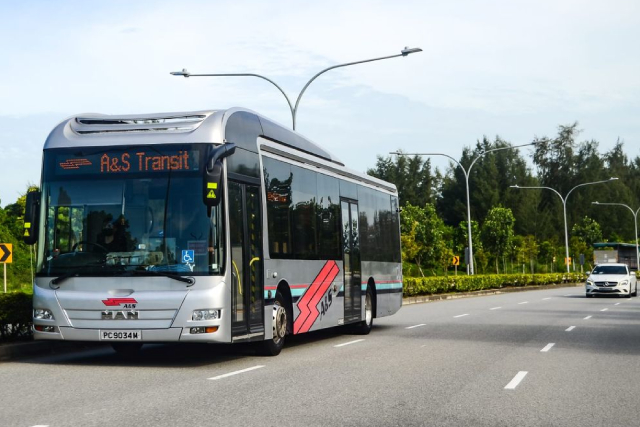
Early mornings, long journeys, crowded rides – for many workers, the daily commute is more than just getting from point A to point B. It sets the tone for the entire workday. When transport is uncomfortable, unpredictable, or exhausting, it doesn’t just affect punctuality – it affects focus, safety, and overall job satisfaction.
So, does a better commute actually lead to better work? The answer is more straightforward than it seems: yes, it often does.
The Commute Is Part of the Workday
For construction workers, technicians, and shift-based employees across Singapore, the workday doesn’t begin at the worksite — it begins the moment they leave home or their dormitory.
A long or poorly planned journey can mean:
- Arriving already fatigued
- Increased stress levels before work even starts
- Less time for rest and recovery
This is especially relevant in industries where physical labour and safety awareness are critical. A worker who starts the day tired is not just less productive, they may also be more prone to mistakes.
How Poor Transport Affects Performance
It’s easy to underestimate how much transport conditions influence performance. But when you look closer, the impact becomes clear.
1. Physical Fatigue Builds Up
Standing for long periods, squeezing into crowded vehicles, or enduring multiple transfers can take a physical toll. For workers in physically demanding roles, this adds strain before the actual job even begins.
Over time, this fatigue accumulates. Workers may feel constantly drained, even if their workload hasn’t increased.
2. Mental Focus Drops
A stressful commute, especially one that involves uncertainty, delays, or discomfort, can affect mental clarity. Workers may arrive distracted or irritable, which can reduce attention to detail.
In environments like construction sites, where safety depends on alertness, this becomes a serious concern.
3. Punctuality Becomes Unpredictable
When transport is unreliable, lateness becomes harder to avoid. This doesn’t just affect individuals, it disrupts team coordination and project timelines.
A smooth, predictable commute helps ensure that workers arrive on time and ready to begin.
The Link Between Comfort and Morale
A better commute isn’t just about efficiency, it’s also about how workers feel.
When workers are transported in a safe, clean, and comfortable environment, it sends a clear message: their wellbeing matters.
This can lead to:
- Higher morale
- Greater job satisfaction
- Stronger loyalty to the employer
On the other hand, consistently poor transport conditions can make workers feel overlooked or undervalued.
Why Employers Are Paying More Attention
Across Singapore, more companies are recognising that transport is essential.
Providing better transport solutions can:
- Reduce absenteeism
- Improve on-site productivity
- Enhance overall workplace safety
- Support worker retention
This is why many organisations are investing in more structured and reliable transport arrangements, rather than leaving workers to manage the journey on their own.
The Role of Private Transport Solutions
One practical way companies are improving commutes is through private bus services in Singapore.
Unlike public transport, private arrangements can be tailored to suit specific workforce needs. This includes:
- Fixed pick-up and drop-off points
- Direct routes to worksites
- Scheduled timings aligned with shifts
This level of control helps eliminate many of the uncertainties that come with public commuting, especially for workers travelling to industrial or remote locations.
For employers, managing daily transport of workers becomes simpler and more consistent when routes and schedules are planned in advance.
Safety Starts Before the Worksite
Safety is often discussed in the context of the workplace, but it begins much earlier during the commute.
A well-managed transport system can reduce risks such as:
- Road accidents from overcrowded or unsuitable vehicles
- Fatigue-related incidents due to long, uncomfortable journeys
- Workers rushing or taking unsafe shortcuts to avoid being late
Proper transport ensures that workers arrive in a better physical and mental state, which directly supports safer behaviour on-site.
Time Efficiency Matters More Than You Think
Time is one of the most valuable resources for both workers and employers.
A better commute can:
- Shorten travel time through direct routes
- Reduce waiting time between transfers
- Create more predictable schedules
For workers, this means more time to rest or spend with family. For employers, it means a workforce that is more consistent and ready to perform.
Even small improvements in travel time can make a noticeable difference over weeks and months.
A Singapore Perspective
Singapore’s transport system is widely regarded as efficient, but it doesn’t always fully meet the needs of every workforce.
Industrial areas, construction sites, and offshore locations often require travel routes that are not easily accessible via MRT or standard bus services.
This is where tailored transport solutions become especially valuable. By bridging gaps in connectivity, companies can ensure that workers are not disadvantaged by location.
The Human Side of Transport
At its core, the question isn’t just about buses or routes. It’s about people.
A better commute means:
- Workers start the day less stressed
- Teams function more smoothly
- Employers build stronger relationships with their workforce
It’s a simple shift in perspective: transport isn’t just about moving workers, but it’s about supporting them.
Small Changes, Big Impact
Improving worker transport doesn’t always require major overhauls. Even incremental changes can have meaningful results.
For example:
- Adjusting pick-up timings to reduce waiting
- Ensuring vehicles are not overcrowded
- Providing consistent and reliable scheduling
These improvements can quickly translate into better morale and performance.
So, Does a Better Commute Mean Better Work?
All signs point to yes.
When workers are well-rested, less stressed, and able to travel comfortably, they are more likely to:
- Stay focused
- Work efficiently
- Maintain higher safety standards
A better commute supports not just individual wellbeing, but overall organisational performance.
Conclusion
Improving worker transport is an investment in people. When companies take commuting seriously, they create a stronger foundation for productivity, safety, and long-term success.
If you’re looking to improve how your workforce gets to and from the job, working with a reliable transport provider can make a real difference. Consider partnering with A&S Transit to explore practical, efficient solutions tailored to your operational needs.